
leave a message
If you are interested in our products and want to know more details,please leave a message here,we will reply you as soon as we can.



Intelligent Cultural Relic Management: RFID Enables Secure Tracking and Accurate Inventory of Collections
As the collections of museums, art galleries, archives, and cultural institutions continue to expand, traditional methods of cultural relic management are facing increasing challenges. In the past, relic information was mainly recorded through paper archives, manual registration, and barcode systems. These methods were not only inefficient but also limited in collection tracking, inventory management, anti-theft protection, and environmental monitoring. Especially when dealing with large quantities of valuable and diverse artifacts, any information omission, location error, or human mistake could lead to irreversible losses.
Driven by the trend of digitalization and intelligent management, RFID (Radio Frequency Identification) technology is being widely adopted in the field of cultural relic management. Through wireless identification, real-time tracking, and automated data collection, RFID is helping cultural institutions build smarter, safer, and more efficient management systems for valuable collections.
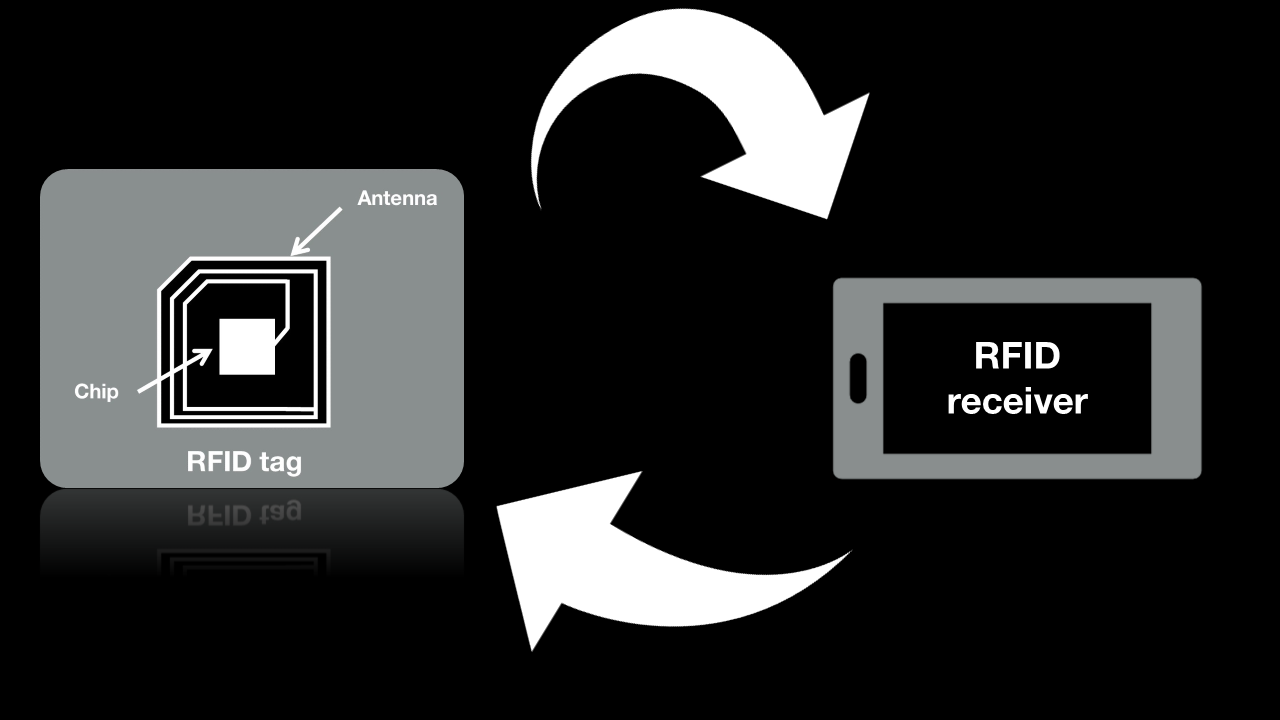
RFID is a technology that uses radio frequency signals for non-contact identification. A typical RFID system consists of electronic tags, readers, and a backend management platform. Each cultural relic can be assigned a unique RFID tag, giving it a “digital identity.” Without physically touching the artifact, staff can quickly access information such as collection number, name, historical period, location, transfer records, and preservation status.
Compared with traditional barcode systems, RFID offers major advantages including non-line-of-sight reading, batch scanning capability, faster recognition speed, and larger data storage capacity. These benefits are especially important in cultural relic management. Many precious artifacts cannot be frequently moved or handled, while RFID allows information to be read without opening packaging or relocating the relic, greatly reducing the risk of physical damage caused by human contact.
In daily museum operations, inventory management is often one of the most labor-intensive tasks. Traditional manual inventory checks require staff to verify collections one by one, which is time-consuming and prone to mistakes. RFID technology enables rapid bulk identification. Staff can simply walk through storage rooms with handheld readers, and the system will automatically detect all tagged artifacts nearby while instantly comparing the data with the database.
Large-scale inventory tasks that once required days or even weeks can now be completed within just a few hours. This improvement is especially significant for large museums. During temporary exhibitions, gallery rearrangements, or collection transfers, RFID can quickly confirm the quantity and location of artifacts, reducing management pressure and operational complexity.
Beyond improving inventory efficiency, RFID also plays a vital role in cultural relic security management. Many high-value artifacts face risks during transportation, exhibitions, or inter-museum loans. Through RFID systems, managers can monitor the real-time location and movement path of each relic. If an artifact leaves a designated area without authorization, the system can immediately trigger an alarm.
For example, RFID gate systems installed at exhibition exits can automatically detect the movement of tagged artifacts. If a relic approaches the exit without proper authorization procedures, the backend platform will instantly issue an alert, effectively preventing theft or accidental loss. Compared with traditional manual security inspections, this intelligent protection system is far more efficient and reliable.
RFID also supports full-process tracking during artifact transportation. In the past, loaning relics to other institutions often required extensive manual paperwork and signature verification. With RFID, every step including packing, transportation, handover, and storage can be automatically recorded. Managers can monitor the status of collections at any time, improving transparency and accountability throughout the transportation process.
For environmentally sensitive artifacts such as ancient paintings, silk fabrics, and wooden relics, stable storage conditions are extremely important. Today, RFID technology can also integrate with temperature and humidity sensors to enable intelligent environmental monitoring. When storage conditions exceed safe ranges, the system can automatically issue warnings, allowing staff to adjust environmental equipment promptly and reduce the risk of damage.
At the same time, RFID is accelerating the digital transformation of cultural relic archives. In traditional archive management, information about artifacts is often scattered across different systems or paper files, making searches inefficient. RFID allows physical artifacts to be directly linked with digital records, creating a “one object, one archive” management model.
By simply scanning an RFID tag, staff can instantly access artifact photos, restoration records, historical origins, exhibition history, and research materials. This not only improves internal management efficiency but also provides greater convenience for academic research and cultural dissemination.
As smart museum development continues to advance, RFID is increasingly being integrated with technologies such as the Internet of Things (IoT), big data, and artificial intelligence. Through backend data analysis, museums can study collection movement frequency, exhibition popularity, and visitor engagement, providing valuable insights for exhibition planning and collection management.
In some modern museums, RFID is even being used to enhance visitor interaction. Through smart terminals, visitors can access multimedia explanations, historical background information, and digital exhibition content simply by reading exhibit information, creating a richer and more immersive museum experience.
Of course, the application of RFID in cultural relic management still faces certain challenges. Since some artifacts are made of sensitive materials, RFID tag installation methods must be carefully designed to ensure reliable recognition without damaging the relic itself. In addition, complex historical building structures may require specialized signal coverage and system deployment solutions. System costs, data security, and long-term maintenance also need to be considered.
However, as RFID equipment becomes more affordable and technology continues to mature, these challenges are gradually being overcome. More cultural institutions are realizing that intelligent management is not only a tool for improving efficiency but also an essential method for protecting cultural heritage.
Cultural relics carry historical memory and the continuation of civilization. Their protection is important not only for museums themselves but also for society as a whole. The introduction of RFID technology is transforming traditional cultural relic management from “experience-based manual management” to “digital intelligent management.”
In the future, with the further development of 5G, artificial intelligence, and digital twin technologies, RFID will play an even greater role in smart cultural heritage management. From collection tracking and intelligent security to accurate inventory management and digital archive construction, RFID is building a safer, more efficient, and more sustainable management system for cultural relic protection.
In today’s era of deep integration between technology and culture, intelligent cultural relic management not only improves museum operational efficiency but also ensures that precious cultural heritage can be preserved more scientifically and for a longer period of time. What RFID brings is not merely an upgrade in management methods, but a profound transformation in the philosophy of cultural heritage protection.

Detailed information and PDF

Support email contact.

Professional technical guidance.

Support email contact.



LINK

Youtube

leave a message
Scan to Wechat/Whatsapp :



 IPv6 Network Supported